Start Recovery
Your path to recovery starts with a single call
Getting Started
Reaching out is the hardest part -- and you've already started by being here. MBHA Rehab's admissions team is available 24 hours a day, 7 days a week, to answer your questions with zero pressure and complete confidentiality. Whether you're calling for yourself or for someone you care about, we'll walk you through what to expect at every stage.
The process begins with a brief phone conversation where our admissions coordinators gather basic information and conduct a preliminary clinical screen. From there, we verify your insurance benefits (typically within two hours), coordinate transportation if needed, and schedule your arrival. Many patients are admitted within 24 hours of their first call. Our goal is to remove every barrier between you and treatment -- financial, logistical, and emotional.
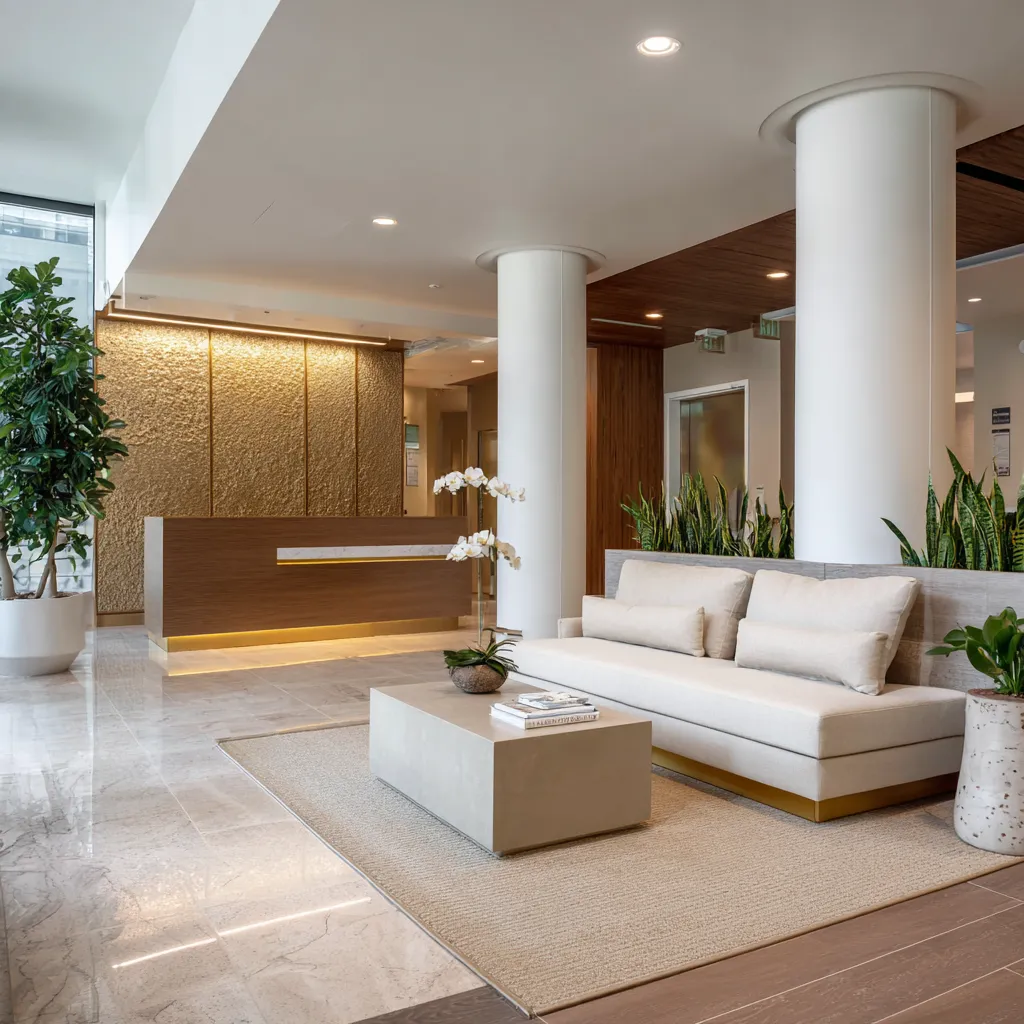
Once you arrive at our Redlands campus, our medical team completes a comprehensive biopsychosocial assessment to determine the most appropriate level of care. You'll meet your primary counselor, receive a tour of the facility, and begin settling into a structured environment designed for healing. From intake to discharge planning, every step is guided by clinicians who specialize in young-adult recovery.
Admissions Process
Call Us
Reach our admissions team at (909) 504-4002 or email [email protected]. We are available 24/7.
Assessment
Our clinical team conducts a confidential assessment to understand your needs and determine the appropriate level of care.
Insurance Verification
We verify your insurance coverage and discuss payment options to ensure a smooth financial process.
Arrival
We coordinate your arrival details and welcome you to MBHA Rehab to begin your treatment journey.
Insurance We Accept
We work with most major insurance providers. Contact us to verify your specific coverage.
- Aetna
- Blue Cross Blue Shield
- Medicaid
- Medicare
- Health Net
- Tricare
- Cigna
- Humana
Insurance Verification Process
When you call MBHA Rehab, our verification specialists contact your insurance provider directly to confirm coverage levels, deductibles, co-pays, and any prior-authorization requirements. Most verifications are completed within two hours. You will receive a clear breakdown of estimated out-of-pocket costs before committing to admission -- no surprises.
Coverage Details
Most major commercial plans and government programs cover medically necessary substance use treatment including detoxification, residential rehabilitation, and outpatient therapy. Coverage duration varies by plan and clinical necessity. Our utilization review team works with your insurer throughout treatment to secure continued authorization as your clinical needs evolve.
Financial Assistance
MBHA Rehab was founded on the principle of accessible care. We offer sliding-scale fees for patients without insurance, payment plans for deductibles and co-insurance, and can connect you with Medicaid enrollment assistance if you qualify. No one is turned away for inability to pay before a financial options conversation takes place.
Mental Health Parity Act
Under the Mental Health Parity and Addiction Equity Act (MHPAEA), most health plans are required to cover substance use disorder treatment at the same level as medical and surgical services. If your insurer denies or limits coverage inappropriately, our advocacy team can file appeals on your behalf and ensure your legal protections are enforced.
Don't see your provider listed? Call (909) 504-4002 -- we work with many additional plans and can verify any policy within hours.
What to Bring
Pack for a comfortable stay focused on recovery. Our campus provides linens, toiletries, and meals, but personal items help you feel at home.
- Government-issued photo ID and insurance card
- List of current medications with dosages
- 7-14 days of comfortable, modest clothing (no drug/alcohol references)
- Closed-toe shoes and athletic wear for fitness activities
- Personal hygiene items (no alcohol-based products)
- Journal, books, or sketchpad
- Phone numbers of emergency contacts (written -- phones have limited-hours access)
- Any court or legal documents relevant to treatment
Do not bring: Weapons, alcohol, drugs, drug paraphernalia, large amounts of cash, valuables, or personal electronics beyond a basic phone. All belongings are inspected at intake for safety.
Frequently Asked Questions
How long does treatment last at MBHA Rehab?
Medical detox: 3-7 days. Residential treatment: 30-90 days depending on clinical severity and progress indicators. Intensive outpatient: 8-12 weeks. Total continuum duration is individualized based on ASAM criteria assessment at intake and ongoing utilization review.
Is detox medically supervised?
Yes. Detoxification is managed 24/7 by physicians and registered nurses using standardized withdrawal assessment protocols (CIWA-Ar for alcohol, COWS for opioids). Medication-assisted treatment with buprenorphine, naltrexone, or benzodiazepine tapers is administered as clinically indicated.
What substances do you treat?
Alcohol, opioids (including heroin and fentanyl), benzodiazepines, methamphetamine, cocaine, synthetic cannabinoids (K2/Spice), kratom, and marijuana. Multi-substance dependence is common among our patient population and is addressed with integrated treatment protocols.
Do you treat co-occurring mental health disorders?
Yes. Dual-diagnosis treatment is standard at MBHA Rehab. Psychiatric evaluation occurs within 24 hours of admission. Conditions commonly treated alongside addiction include major depressive disorder, generalized anxiety disorder, PTSD, and bipolar spectrum disorders. Psychopharmacology and evidence-based psychotherapy run parallel to addiction-specific interventions.
What is the visitation policy?
Visitation is scheduled on weekends during designated hours. Family participation in therapy is encouraged and scheduled separately from social visits. Specific visiting times and guidelines are provided at admission. Phone access is available during limited hours daily.
Can I keep my job while in treatment?
Our outpatient and IOP tracks are designed for working adults, with sessions scheduled in evenings. For residential patients, FMLA and ADA protections may apply. Our case management team provides employer communication templates and coordinates leave documentation to protect your employment status during treatment.
What happens after I complete treatment?
Discharge planning begins within the first week of admission. It includes outpatient step-down scheduling, alumni program enrollment, community support group referrals, sober living recommendations if needed, and ongoing psychiatric follow-up. Our alumni network provides peer mentoring, monthly events, and crisis support for graduates indefinitely.
Are pets allowed?
No. Pets are not permitted on campus due to allergy, safety, and licensing considerations. Emotional support animal accommodations are not available during residential treatment. Patients may participate in structured therapeutic activities involving the community garden and outdoor spaces for grounding and connection.
Ready to Begin?
Our admissions coordinators are standing by to help. Calls are free and confidential.